TL;DR
- ·An AI answering service for pest control is a phone agent that picks up every call to your business line, finds out what the pest is and where, and books the inspection or treatment on your schedule.
- ·The hard part isn't answering, it's sorting: a wasp nest over the front door, a termite inspection due before a house closes and a routine quarterly visit all need a different next step, and you set the rules.
- ·Lani AI answers in under a second, speaks 30+ languages and books straight to your scheduler. 7-day pilot, completely free. If you decide to move forward, there's a setup.
What does an AI answering service for pest control actually do?
An AI answering service for pest control answers your business line, has a real conversation with the caller, gathers the details of the problem and books the next step, usually an inspection or a treatment visit, without anyone in the office picking up. It's not a voicemail box and it's not a press-1-for-service menu. The caller describes the problem in their own words, and it responds.
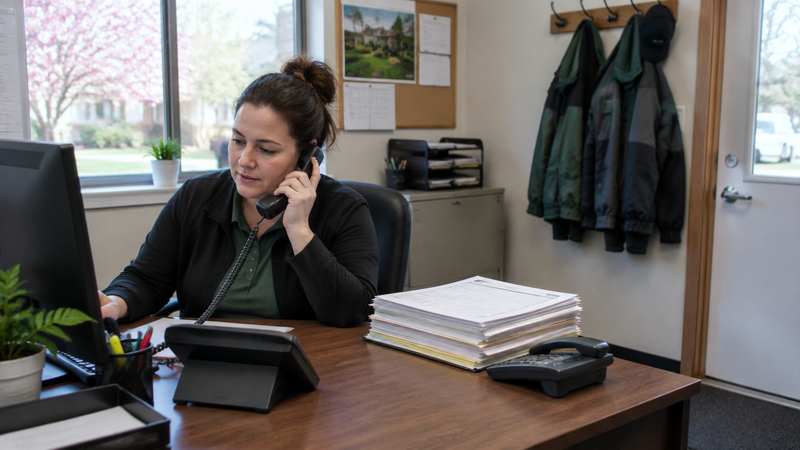
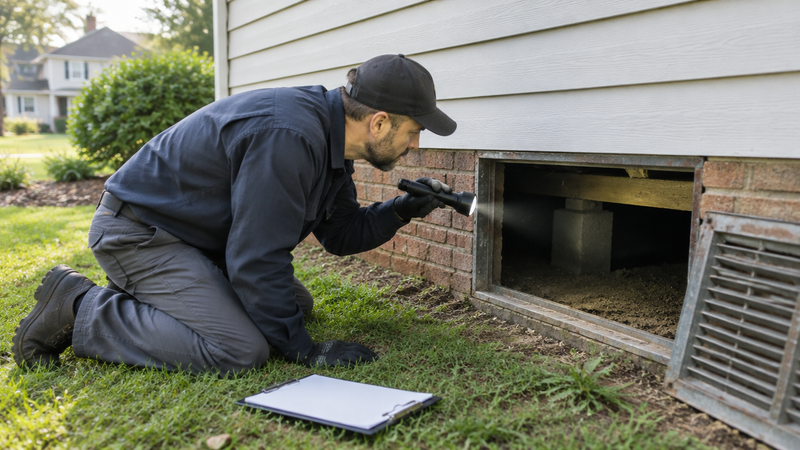
Pest control is a good fit for a specific reason. Your techs are in crawl spaces, attics and backyards all day, the office is often 1 or 2 people, and calls tend to come in clusters: the first warm week of spring, a run of wasp calls in summer, rodents when the weather turns cold. Those are exactly the days the phone goes unanswered. If you run other home services, the same logic shows up in our guide to the AI receptionist for pool builders.
It's worth separating this from a traditional answering service. A human service takes a message and passes it on, which helps, but someone still has to call back, work out the job and book it. An AI receptionist can finish the job on the first call: ask the questions, check the schedule and put the visit on it. We compared the 2 in AI receptionist vs answering service. The trap is buying either one as a message taker. If the output is still a list of callbacks, you've moved the problem, not solved it.
Message-taking service
- 1Takes a name and number
- 2Promises a callback
- 3The office calls back the next morning
- The caller may have booked elsewhere by then
AI receptionist
- 1Asks what they're seeing and where
- 2Checks your schedule
- 3Books the inspection on the call
- The tech reads the details before arriving
What happens when a new customer calls about a pest problem?
It greets them with your company name, asks what they're seeing and books an inspection or a service visit while they're still on the line. A typical call from a homeowner with mice goes like this: they've heard scratching in the ceiling and found droppings under the sink. It asks how long it's been going on, whether it's a house, an apartment or a business, the address and the best number to reach them, then offers 2 or 3 open slots and confirms the 1 they pick.
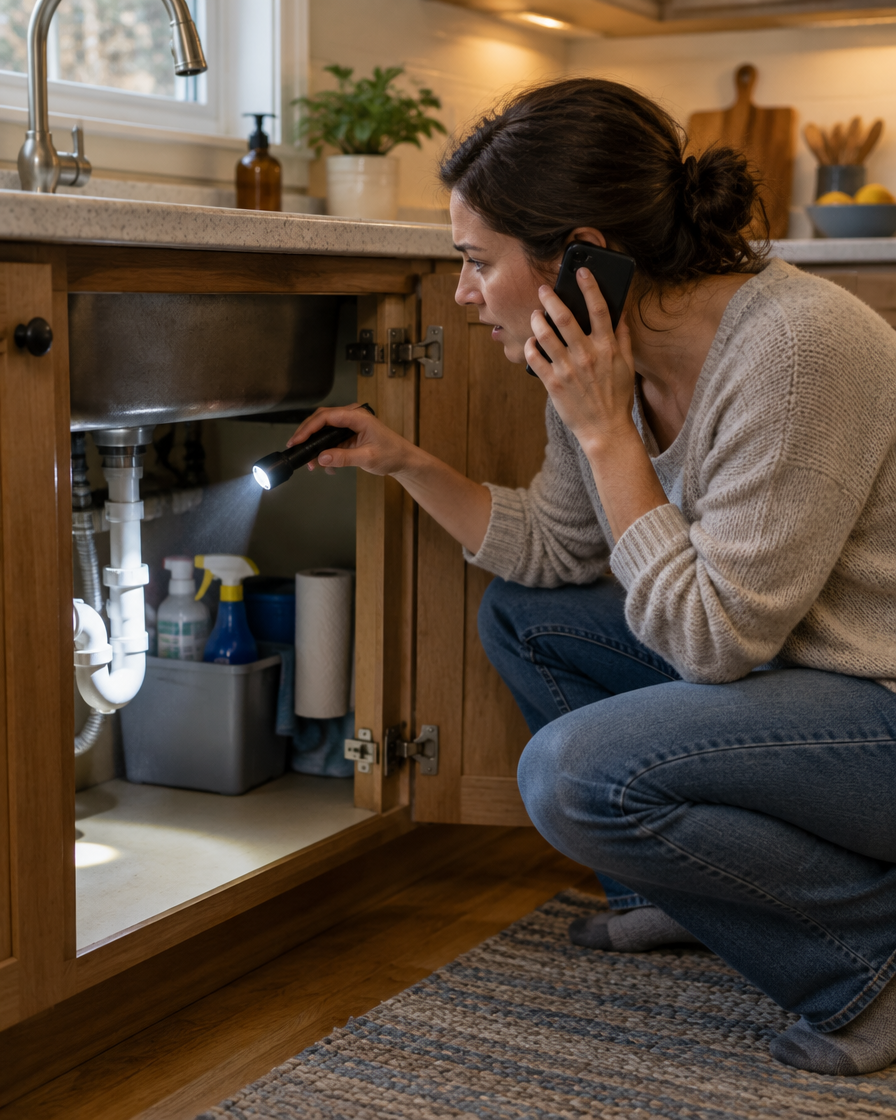
You decide the questions and the order. Most pest companies want the pest, where in the property it's showing up, how long it's been happening, whether there are pets or children in the home (so the tech can plan the treatment) and the property type, since a restaurant and a 3-bedroom house aren't the same job. The conversational AI assistant behind it handles the interruptions, the "sorry, can I ask about price first" moments and the callers who tell the story out of order. Every call, outcome and booking is logged, so the tech can read the details before arriving.
Checklist
The intake questions for a new pest call
- What are you seeing, and where in the property?
- How long has it been going on?
- House, apartment or business?
- Any pets or children in the home?
- The address, and is it inside your service area?
- The best number to reach you
The trap is letting it diagnose. A caller who says "I think it's termites" might have flying ants. It should record what they describe and book the right visit, not tell them what they have or quote a price for a job nobody has seen. That's what the inspection is for.
How does it handle urgent calls like wasps, rodents or termites?
It sorts them by the rules you set: a caller who matches your urgent criteria gets transferred to whoever's on call or booked into the next same-day slot, and everyone else gets the next normal opening. A wasp nest over the front door of a house with an allergic child, rats in a restaurant kitchen before dinner service and termites swarming inside a living room are all calls you'd want handled differently from someone who saw 1 ant on the counter.
Incoming call
Homeowner, Saturday 6 p.m.
Lani AI
Answered on the first ring
Matches your urgent list
Transferred to the on-call tech with the details
Routine pest, no risk
Booked into the next open slot
Outside your service area
A clear no and a polite goodbye
Write the urgent list down in plain words before you switch anything on, and keep it short. The live Lani AI receptionist page says it transfers calls to your staff with the full context, so the tech who picks up hears what the caller already said instead of starting over. After hours, it answers the same way it does at noon, which matters because people find wasps on a Saturday and mice at 11 p.m. Our guide to after-hours answering with AI covers how to set up the overnight version.
The trap is a rule that makes everything urgent. If every caller who sounds worried gets put through to your cell, you've rebuilt the problem you were trying to fix. Decide which pests and which situations really justify waking the on-call tech tonight, and let the rest book for tomorrow with a clear promise about when someone will arrive.
Template
Your urgent list, in 5 lines
Keep it short. Edit these to match how your company works.
1. A stinging insect nest at a doorway, or anyone in the home with a known allergy: transfer to the on-call tech.
2. Rodents in a commercial kitchen during service hours: transfer to the on-call tech.
3. Termites swarming inside a living space: book the first same-day slot, or first thing tomorrow.
4. Everything else: book the next normal opening and confirm the day before the call ends.
5. On-call tech doesn't answer: tell the caller when they'll hear back, and log the call.
Termite calls get their own treatment, especially when a real estate closing date is involved. See termite inspection booking for the questions it should ask and how it fits the inspection into your schedule.
Urgent calls bunch up in the warm months. Our guide to handling pest control busy season calls covers how to plan for the surge before it starts.
For the calls that land at night and on weekends, our guide to after-hours pest control calls covers which ones justify waking the on-call tech and which can book for the morning.
Can it schedule recurring pest control service by phone?
Yes, if it's connected to your scheduling system, it can book, move and confirm recurring visits like a quarterly service plan while the customer is on the phone. The live site says confirmed appointments land in your booking system in real time, and that's what turns a call into a booked visit instead of a note for the office.
Recurring work is where many routine calls come from: a customer who needs to move next Tuesday's visit, someone asking when the tech is due, a new customer who wants a regular plan after a first treatment. Termite inspections for a home sale are another common call, and they usually come with a closing date attached, so tell it how far out you can book those and who does them. For how the calendar handoff should look, see our post on AI receptionist appointment scheduling, and check which systems an AI receptionist connects to before you assume yours is covered.
The trap is an open calendar with no routing rules. Pest control is a route business. If it can book any open hour, it'll put 2 stops 40 minutes apart back to back. Give it your service areas, visit lengths by job type and the days each tech works, then check the first week of bookings by hand.
Route rules to give it before it books
| Rule | Why it matters | Example |
|---|---|---|
| Service areas by day | Keeps stops on the same side of town | North side on Mondays and Wednesdays |
| Visit length by job type | Stops 2 jobs overlapping | Quarterly service 30 min, first treatment 60 min |
| Who does termite inspections | Not every tech does them | Only 2 named techs |
| How far out to book closing-date inspections | Agents need it done before the closing | Within 5 business days |
| Days each tech works | No bookings on a day off | Tech 3 off on Fridays |
What should an AI answering service never answer on its own?
Anything about chemical safety, health, guarantees or a price for a job nobody has inspected should go to a person. A parent asking whether the kids can come back inside after a treatment, a customer whose dog got into something in the yard, or someone saying the last treatment didn't work and they want a re-service under your guarantee: these need a licensed tech or the owner, not a confident-sounding answer.
Checklist
Always goes to a person
- "Is it safe for the kids or the dog to go back inside?"
- "My dog got into something in the yard"
- "The last treatment didn't work, I want a re-service"
- "What exact product will you use in my attic?"
- "How much for the whole job?" before anyone has inspected
- Anything about health symptoms
Set those up as transfer or callback rules, and make sure the caller hears what happens next, for example that a technician will call back within the hour, rather than being left in a loop. Then test the edge: ask it something it shouldn't know, like the exact product you'll use in their attic, and see whether it admits it doesn't know or makes something up. A good setup admits it and hands off. If it guesses, fix that before a real customer hears it.
Bed bug callers are worth a note too. People are often embarrassed and want discretion. Tell it to keep the conversation calm and matter of fact, and keep any follow-up text short and plain.
What does a missed pest control call cost?
More than it looks, because a new pest control customer often becomes a recurring customer, and you can estimate it with your own figures. Here's an illustration with made-up numbers, not a result Lani AI has measured. Say 5 calls a week go unanswered. Say 2 of those are new customers ready to book, and you'd have won 1 of the 2, so 1 new customer a week. If a new customer is worth $400 in the first year between the initial treatment and a recurring plan, that's about $20,800 of first-year revenue over 12 months (5 x 2/5 x 1/2 x $400 x 52).
Treat that as revenue, not profit, and assume some of those callers would have tried again. Halve the result and it's still worth checking against your own numbers. A customer who stays on a plan for years is worth more than the first-year figure, so the estimate leans low on that side and may lean high on the others. Put your real figures into the ROI calculator, and be skeptical of anyone, including us, who quotes a ready-made number for your business. If you're not ready for a full receptionist, a missed call text back is the minimum, but a text isn't a booked visit.
How do you test an AI answering service for pest control before you buy?
Call it yourself on your own line, the way your customers would, before any real customer does. Make 5 calls. Call as a homeowner with mice in the kitchen who wants someone this week. Call about a wasp nest by the front door on a Saturday evening. Call as an existing customer who needs to move a quarterly visit. Call as a real estate agent who needs a termite inspection before a closing date. Then call as an unhappy customer whose treatment didn't work, and see whether it gets you to a person.
After each call, check 3 things: did the record have the right details, did the visit land in your schedule at a time and place you'd accept, and did the calls that needed a human actually reach one. If you have customers who'd rather speak Spanish or another language, test that too, since the live site says it answers in 30+ languages.
Step by step
The 5-call test & what a pass looks like
- 1
Mice in the kitchen, wants someone this week
Pass: an inspection booked this week, with the details on the record.
- 2
Wasp nest by the front door, Saturday evening
Pass: your urgent rule fires, and the caller hears what happens next.
- 3
Existing customer moving a quarterly visit
Pass: the old slot frees up and the new one fits the route.
- 4
Real estate agent with a closing date
Pass: a termite inspection booked before the closing, with the right tech.
- 5
Unhappy customer whose treatment didn't work
Pass: reaches a person, or gets a clear callback time. No promises about the guarantee.
That's the case for running a pilot instead of watching a demo. The 7-day pilot is completely free. If you decide to move forward, there's a setup. See how the AI receptionist works, or run your numbers in the ROI calculator first. An AI answering service for pest control should prove itself on your real calls in the first week, not in a sales presentation.
Frequently asked questions
Can an AI answering service handle pest control emergencies?
Yes, if you give it a short written urgent list. Calls that match get transferred to your on-call tech with the details attached, and the rest book the next normal opening.
Will an AI answering service tell customers what pest they have?
It shouldn't. It records what the caller describes and books the right visit, because a caller who thinks it's termites might have flying ants.
Can it book recurring quarterly pest control visits?
Yes, when it's connected to your scheduler it can book, move and confirm recurring visits. Give it your service areas and visit lengths so it doesn't book stops 40 minutes apart back to back.
What should a pest control answering service never answer on its own?
Chemical safety, health questions, guarantee re-service claims and prices for a job nobody has inspected. Set those up to transfer to a person or promise a callback.
How can I test it before paying?
Run the 7-day pilot, completely free, and make 5 test calls on your own line. If you decide to move forward, there's a setup.
Ready when you are
See if Lani AI is right for your business.
7-day pilot, completely free. Live by the end of this week.